The captivating nature of casino games largely stems from the inherent unpredictability that accompanies them. Players are drawn to the idea of chance, where every spin of the roulette wheel or turn of a card could fundamentally change their fortunes. This uncertainty creates a thrill that is intoxicating for many, leading to a rush of adrenaline that heightens the gaming experience. In addition to traditional gaming, many enthusiasts explore esports betting sites that offer new avenues for excitement, making the gaming experience all the more compelling.
The psychology of gambling reinforces this allure through a phenomenon known as intermittent reinforcement. Unlike games based on skill, where a player can rely on knowledge and practice, casino games reward players sporadically. This irregular reward pattern can lead to a compulsion to play, as the excitement of winning, even if it is infrequent, encourages players to return in hopes of experiencing that high again. Such behavior can be linked to the brain’s reward system, where dopamine is released in response to wins, further reinforcing the desire to gamble.
Moreover, the atmosphere of casinos often amplifies this excitement. Bright lights, celebratory sounds, and inviting decor create an immersive environment that stimulates the senses. This design is no accident; it is meticulously crafted to encourage prolonged engagement. Players may find it hard to leave, as the environment feels charged with possibility. This psychological tactic makes it easier for individuals to spend more time—and money—within the casino, often leading to impulsive decisions driven by emotion rather than logic.
Social interaction is another critical component that enhances the appeal of casino games. Many players enjoy the sense of camaraderie that comes from sharing the gaming experience with others. Whether it’s cheering together during a thrilling game of blackjack or exchanging stories at the poker table, the social aspect can significantly contribute to one’s enjoyment. This interaction not only fosters a sense of community but also amplifies the emotional highs of winning and alleviates the lows of losing, creating a shared experience that is more rewarding than solitary play.
In addition to fostering community, social interaction in casinos can also create a competitive atmosphere that encourages longer play. Players may feel compelled to perform better against their peers, which can lead to increased stakes and a deeper investment in the outcome of the game. This competitive spirit can trigger a variety of psychological responses, such as stress, excitement, or even anger, all of which can lead to a more intense gaming experience. The dynamics of group play can amplify the emotional stakes of gaming, making each win or loss feel more significant.
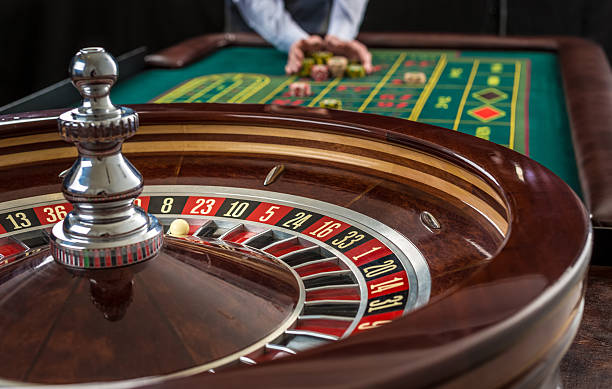
The importance of social dynamics in gaming has also been supported by research indicating that people are more likely to take risks when they perceive themselves as part of a group. This sense of belonging can lead to behaviors that individuals might not engage in when alone. As a result, players may make decisions based more on the group dynamic rather than their own financial judgments, highlighting how social interaction plays a pivotal role in the overall psychology of gaming in casinos. This collective experience can shape gaming behavior in profound ways.
The psychology behind casino gaming also delves into the darker side: gambling addiction. The thrill of potentially winning can become addictive for some, particularly as they chase losses in hopes of retrieving their money. This chasing behavior is fueled by cognitive distortions, where individuals may convince themselves that they can predict outcomes or that a win is “due” after several losses. This mindset can lead to a vicious cycle where players continue to gamble, believing that their luck will turn, which often results in escalating losses and a deepening sense of hopelessness.
The stakes become higher when individuals begin to prioritize gambling over other aspects of their lives. This can manifest in various ways, including neglect of personal relationships, work obligations, or even engagement in risky behaviors to fund gaming habits. As the addiction deepens, players often experience a range of emotional consequences, such as guilt, anxiety, and depression. These feelings can, paradoxically, drive them back to the casino in search of an escape, perpetuating the cycle of addiction. Understanding these patterns can be crucial for both individuals and their loved ones.
Understanding gambling addiction from a psychological perspective is essential for developing effective treatments. Cognitive-behavioral therapy, for instance, has been shown to help individuals reframe their thoughts about gambling and develop healthier coping mechanisms. By addressing the underlying psychological factors that contribute to gambling addiction, individuals can work towards regaining control over their lives and making more informed decisions regarding their gaming habits. This therapeutic approach can provide a pathway to recovery and improved mental health.
Marketing strategies and casino design are crucial elements that play into the psychology of players. Casinos invest heavily in advertising that emphasizes entertainment, excitement, and the allure of quick wins. This creates a perception that gaming is not just about chance, but rather an enjoyable experience that one can engage in socially. By glamorizing the gaming experience, these marketing campaigns draw in potential players, enticing them to walk through the casino doors with the promise of excitement and fun.

Additionally, the design of physical casinos is strategically crafted to keep players engaged. Layouts are often labyrinthine, with no clear exit, encouraging wandering and exploration. The placement of games, bars, and restaurants is deliberately chosen to make it convenient for players to remain on the casino floor. Research shows that these environmental cues, combined with sensory stimulation, can create a singular focus on gambling, making it harder for individuals to make rational choices about their playtime and spending. These designs serve to enhance the casino experience while often overshadowing the risks involved.
Moreover, psychological tactics such as loyalty programs and player rewards are utilized to build rapport with players. These programs offer incentives, further encouraging players to return in hopes of earning additional perks. The idea of being part of an exclusive club boosts players’ self-esteem and makes them feel valued. Consequently, they may be willing to overlook the risks associated with gambling, reinforcing their commitment to the casino experience. This strategic marketing plays a significant role in shaping player behavior and expectations.
Research into the psychology behind casino games has transformed how we view gambling behavior. Various studies have examined the cognitive and emotional processes involved in gaming, helping to shed light on why some individuals are more prone to addiction than others. By employing psychological theories, researchers have been able to analyze motivations, decision-making patterns, and emotional responses that players experience while gambling. This academic exploration is vital in understanding the broader implications of casino gaming.
One significant area of study involves the use of brain imaging techniques to observe the neurological responses of gamblers. This research has shown that the areas of the brain associated with reward processing are activated during gambling, similar to responses seen with substance abuse. This connection underlines the potential for gambling to engage the brain’s reward system in a way that can lead to compulsive behaviors, particularly in vulnerable individuals. Understanding these neurological responses can inform prevention and treatment strategies.
Furthermore, understanding the psychology of casino gaming can lead to improved interventions aimed at preventing gambling addiction. By identifying the triggers that lead to problematic gaming behavior, practitioners can develop targeted strategies that support players in making more responsible choices. In conjunction with community resources and support systems, this research can help foster a healthier relationship with gambling and mitigate the risks associated with excessive gaming. As awareness of these issues grows, so does the potential for positive change within the gaming community.

 Call Us
 Get a quote